Understanding Sister Sizing and How to Use It at Primary Lingerette
There is a particular kind of confusion that comes with bra fitting. You measure carefully. You order what the size chart tells you to order. And the bra that arrives is not quite right — the band a little loose, or the cup a little full — even though every number said it should work.
This is usually not a fitting mistake. It is sister sizing.
What sister sizing means
A bra size is really two measurements working together: the band, and the cup. The cup letter on its own means very little. A D cup on a 10 band is a different volume to a D cup on a 14 band — the letter only makes sense in relation to the number beside it.
This is what makes sister sizing possible. When you move one band size up and one cup letter down — or one band size down and one cup letter up — the actual cup volume stays close to the same. Only the band changes. A looser fit, or a snugger one, around the ribcage, with the cup still holding the same amount of breast tissue.
Sister sizes are not a different size. They are the same size, described two other ways.
The rule of thumb
Band up, cup down. Band down, cup up.
If your usual size fits through the cup but the band feels loose by the end of the day, the sister size down a band and up a cup will usually feel more secure, without the cup changing in any meaningful way.
If the band feels right but the cup feels slightly full — a little spillage at the top, or underwire that is not quite settling — the sister size up a band and down a cup is worth trying before assuming you need a different cup altogether.
A worked example
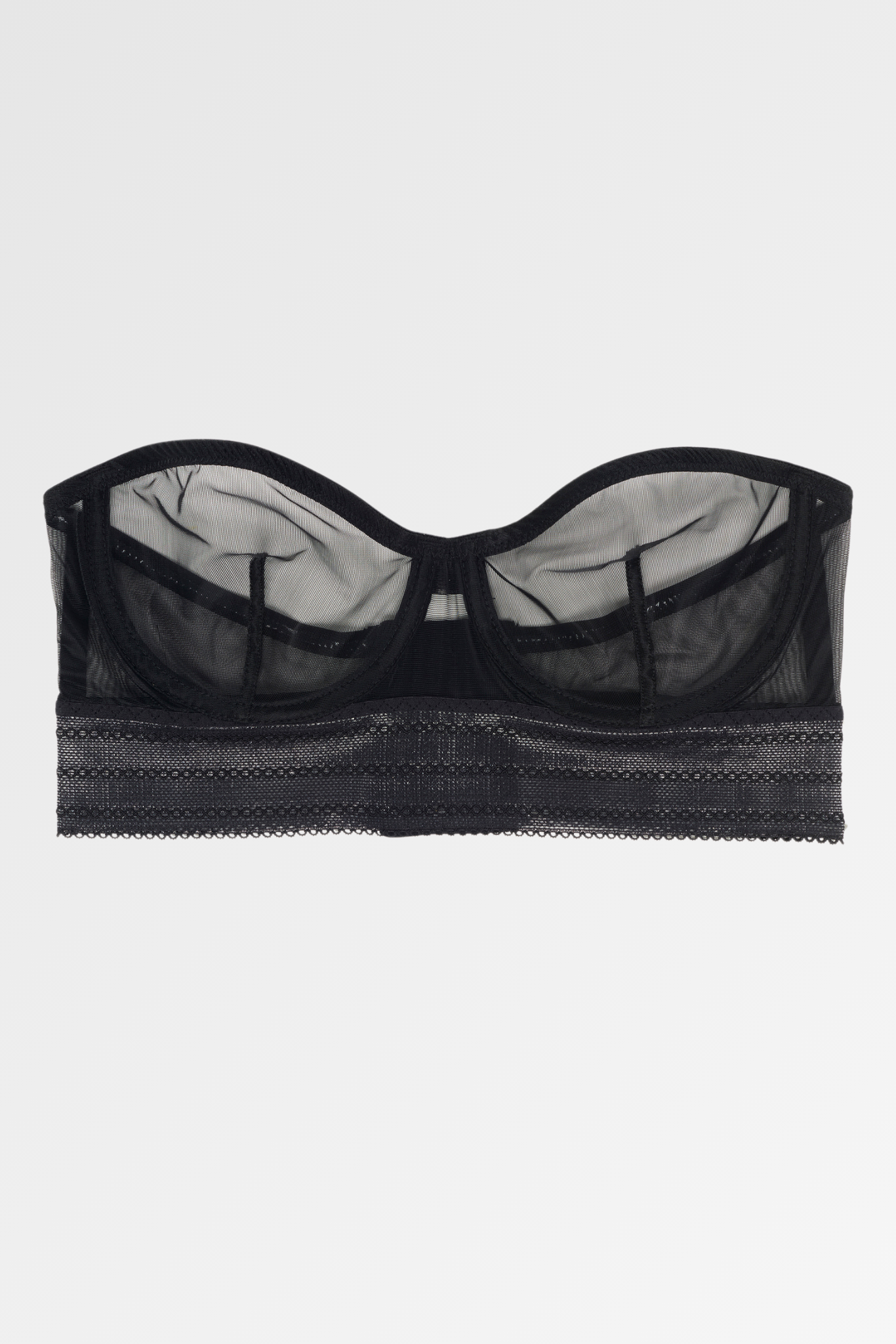
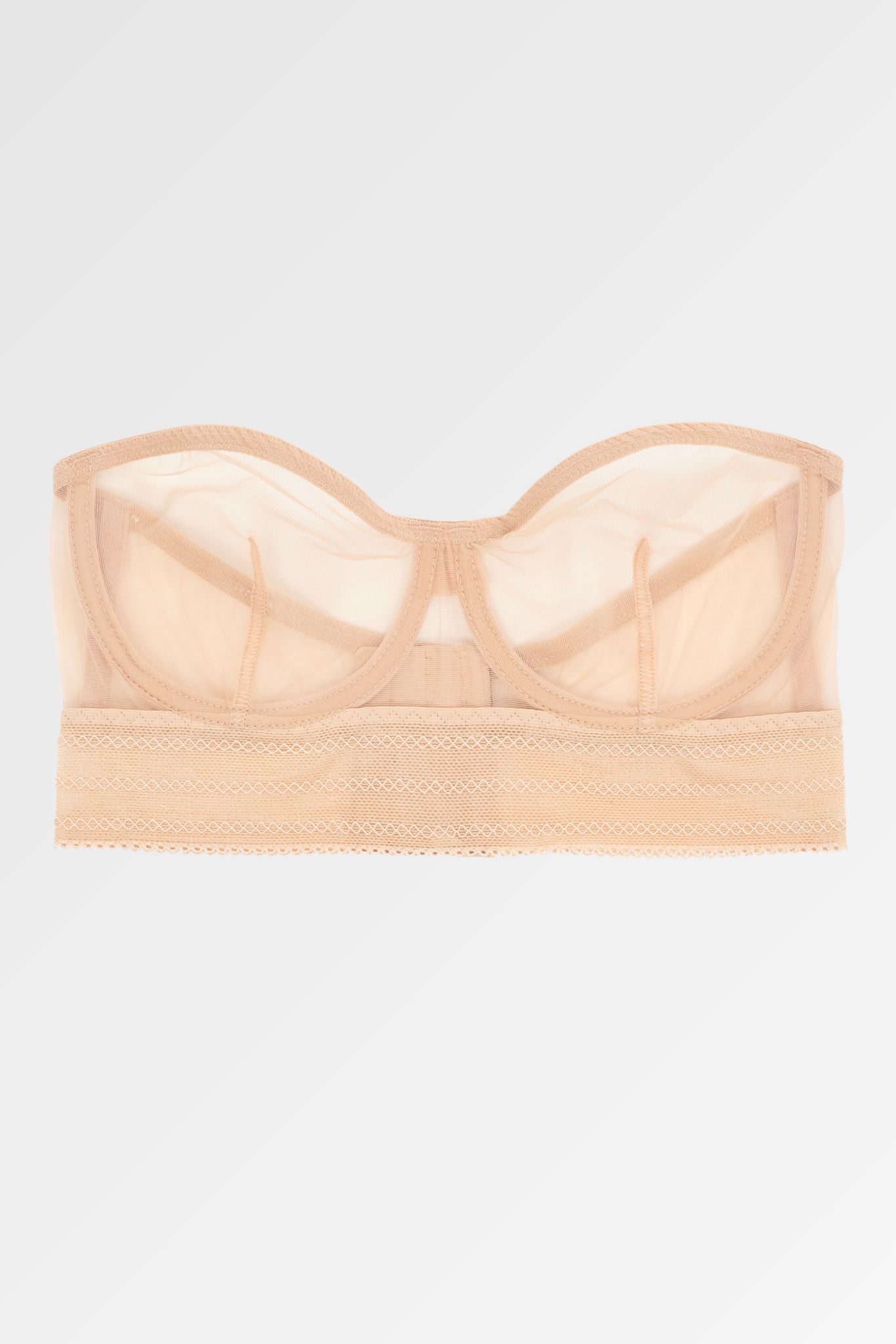
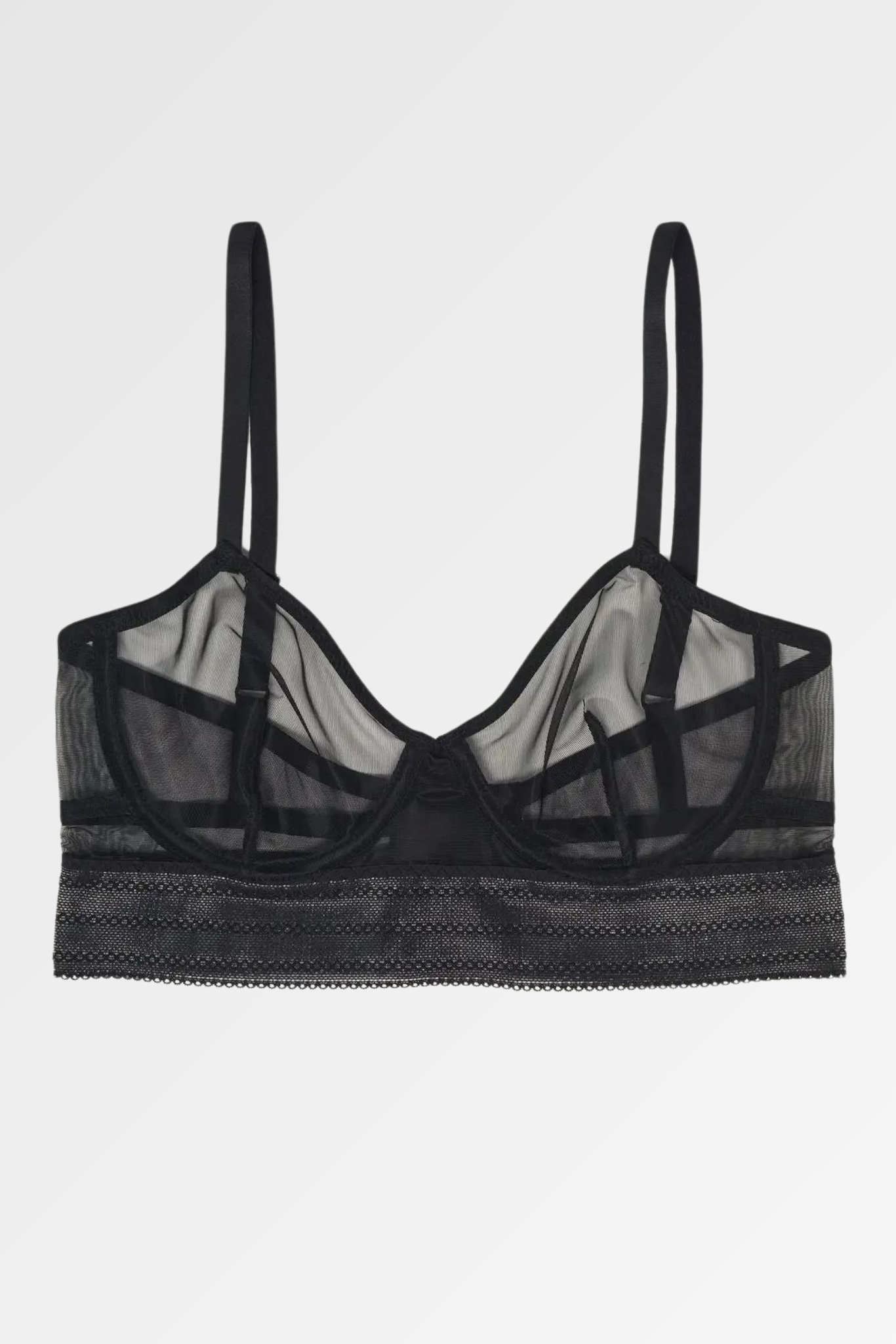
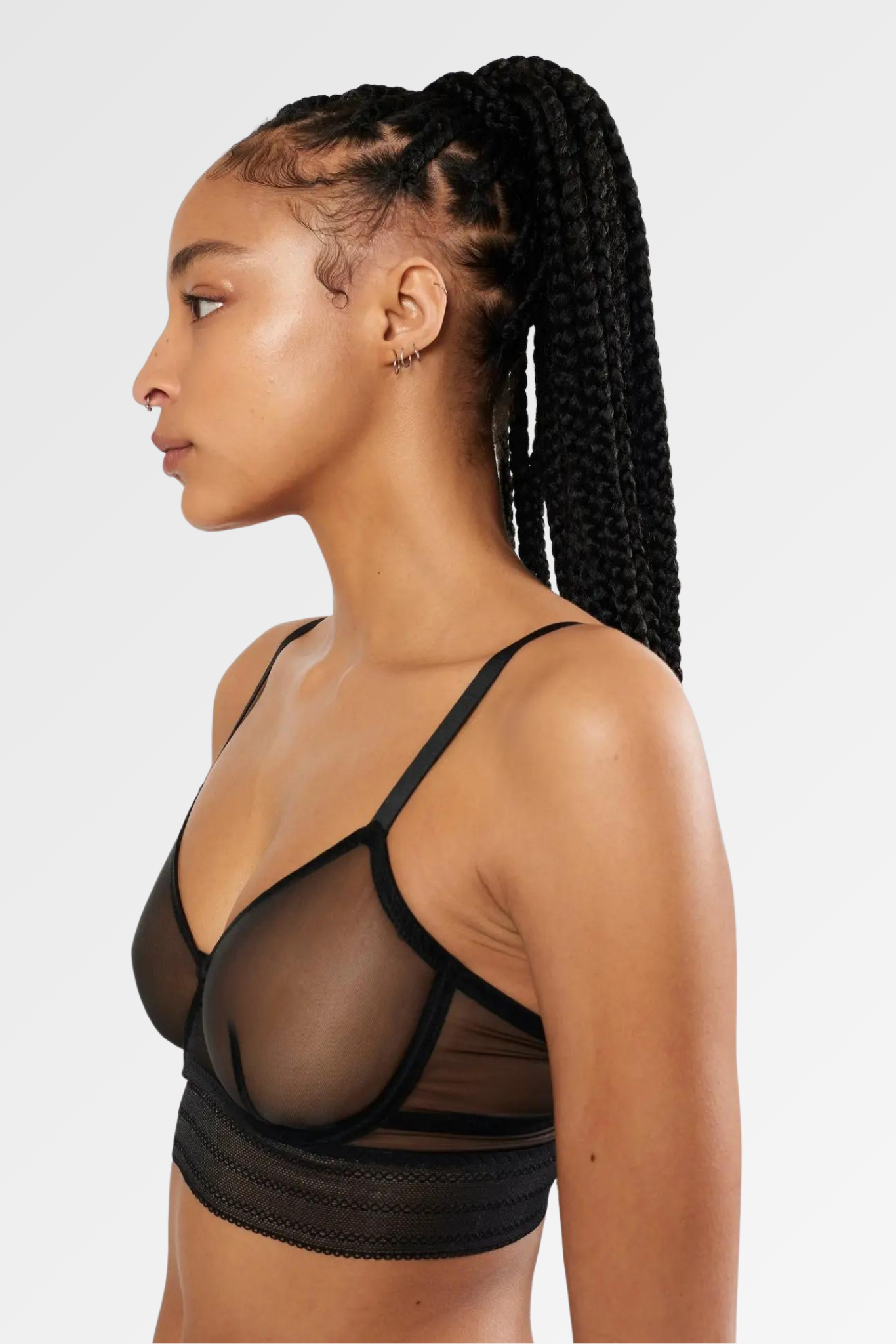
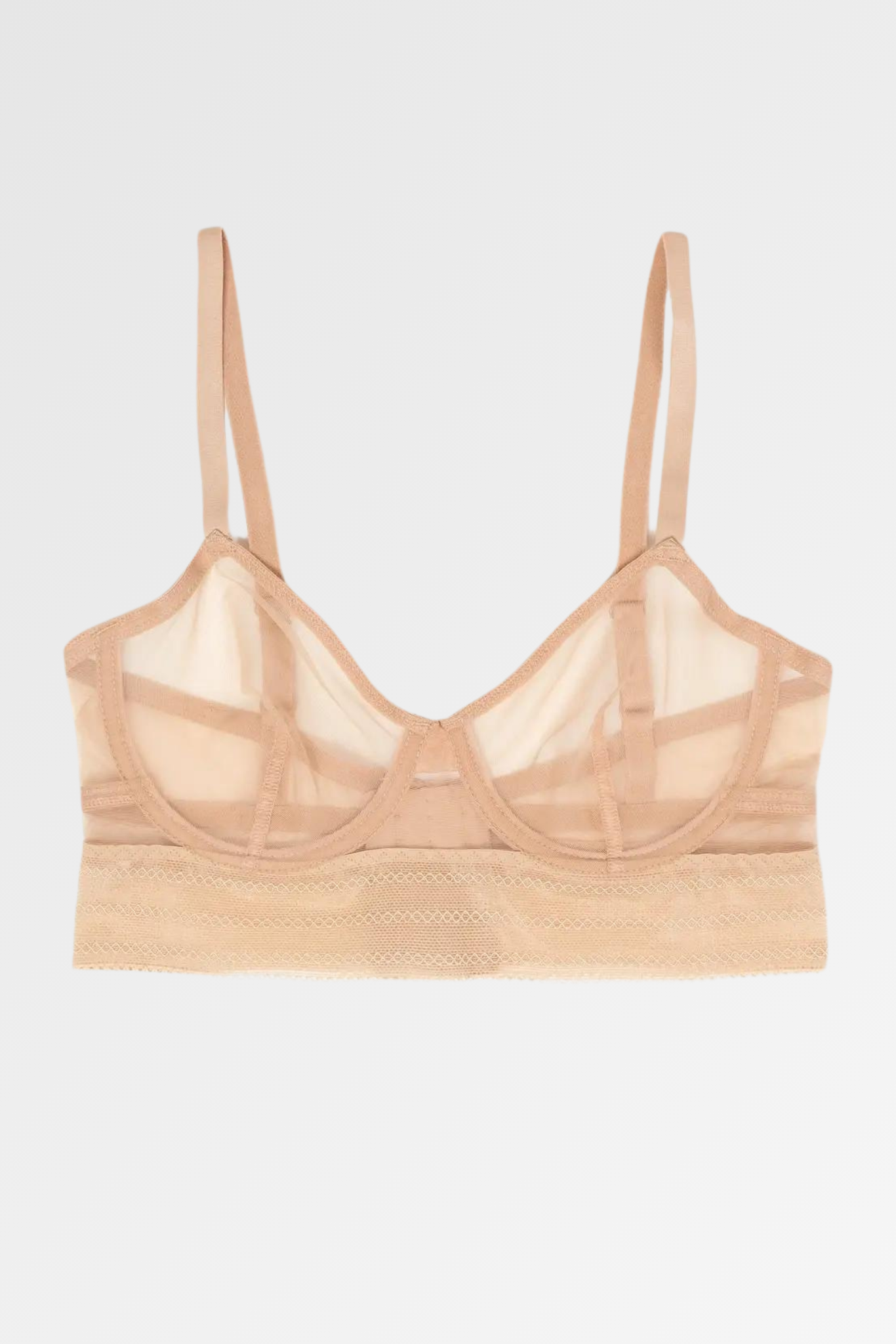
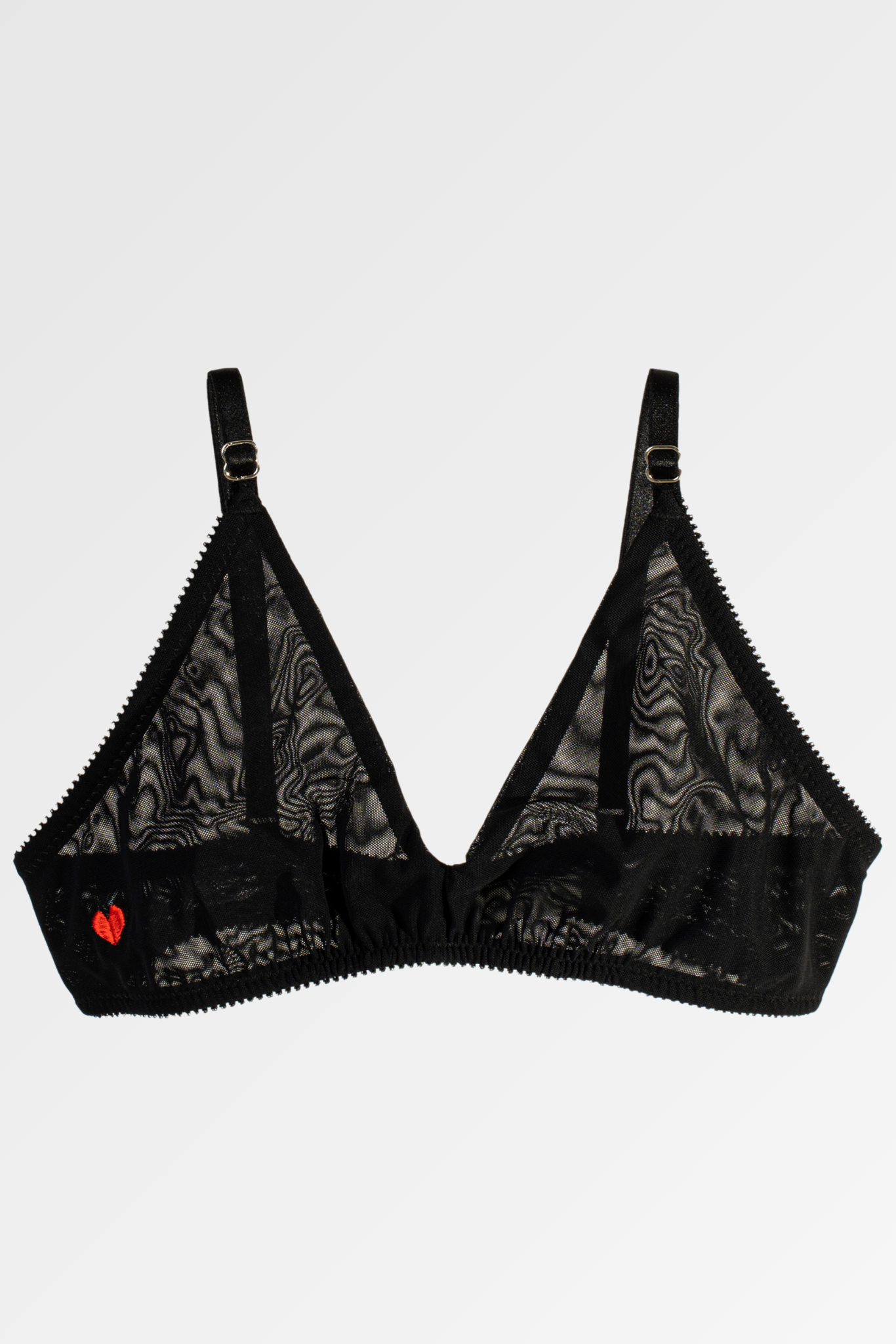
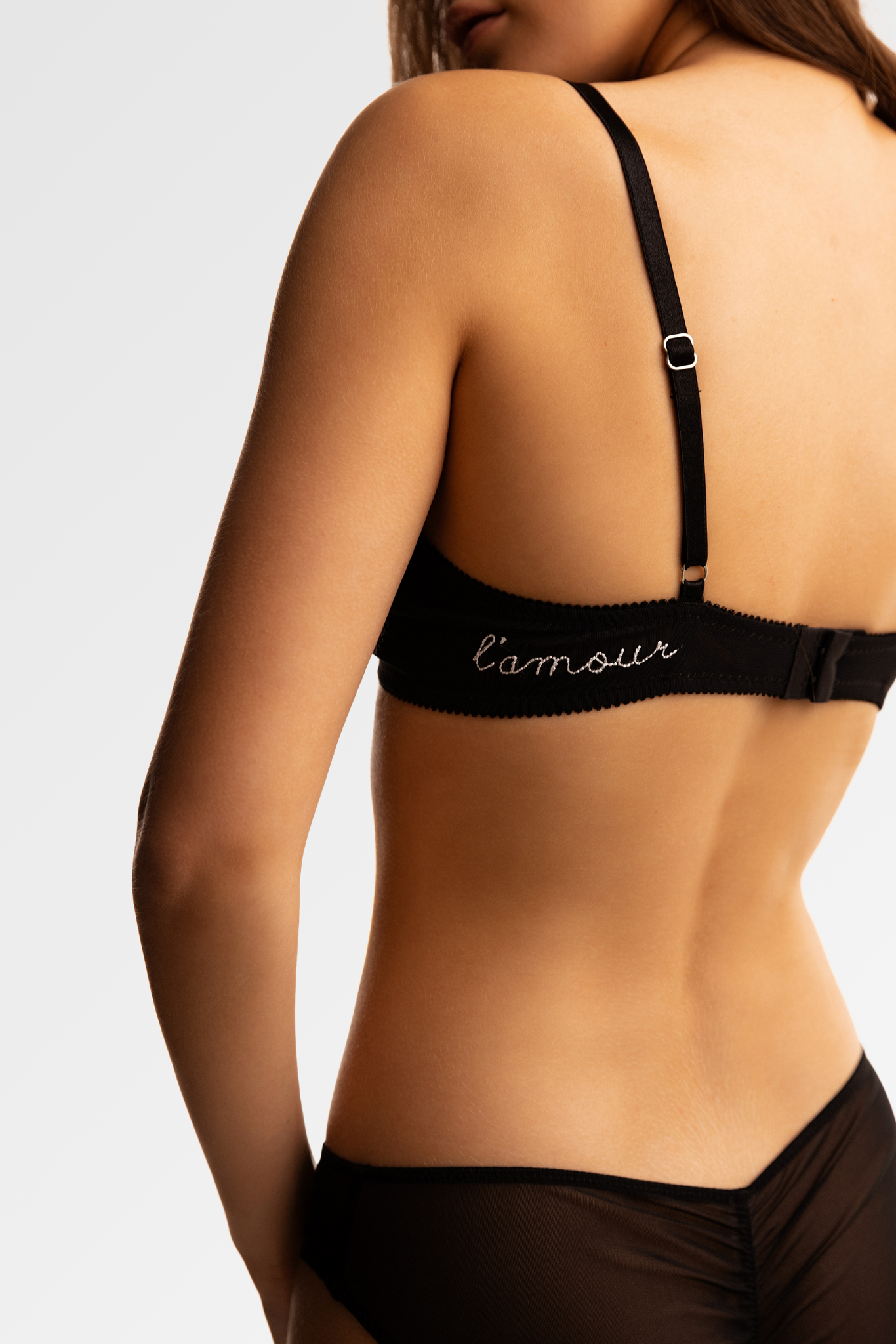
The Else Bare Underwire Longline Bra is a useful piece to see this in practice, because it is cut across a genuinely wide range — bands 8 to 16, cups B to G, in Australian sizing.
Take a 12C. Its sister sizes run in both directions:
10D — one band down, one cup up. Same cup volume, a snugger band.
14B — one band up, one cup down. Same cup volume, a roomier band.
Follow the chain further and it keeps holding. An 8DD, a 10D, a 12C, and a 14B all carry close to the same cup volume — four different sizes, each with the band getting progressively looser as the cup letter drops. Somewhere in that chain is usually the size that feels right, rather than merely correct on paper.

This is also, practically, why sister sizing is worth knowing. If your usual size in a style is out of stock, the sister size either side is very often available — and very often fits just as well.
Where this helps most
When your usual size is out of stock. Before assuming a style will not work for you, check the sister size. It is frequently sitting in stock beside the size you were looking for.
When you are trying a new label or a new cut. Construction varies between brands, and even between styles within the same brand. A longline band, like the one on the Bare Underwire Longline Bra, is cut wider and longer than a standard band — it can sit differently on the body to a bra you already own, even at what should be the identical size. Sister sizing gives you a second and third option to try, rather than a single guess.
When a bra is close, but not quite there. Rather than returning to a completely different size, moving one step along the sister sizing chain is often the smaller, more accurate adjustment.
What sister sizing will not do
Sister sizing is a tool for fine-tuning between sizes you are already close to. It is not a substitute for knowing your actual measurements, and it will not turn the wrong size range into the right one.
Primary converts every label across the range into Australian sizing, so you are never guessing against an international chart on top of everything else. And if sister sizing still has not landed you in the right fit, our fit experts are one email away at hello@primarystore.com.au.
Your first size exchange on any order is always free. If the size you tried is not quite it, we will help you find the one that is.